
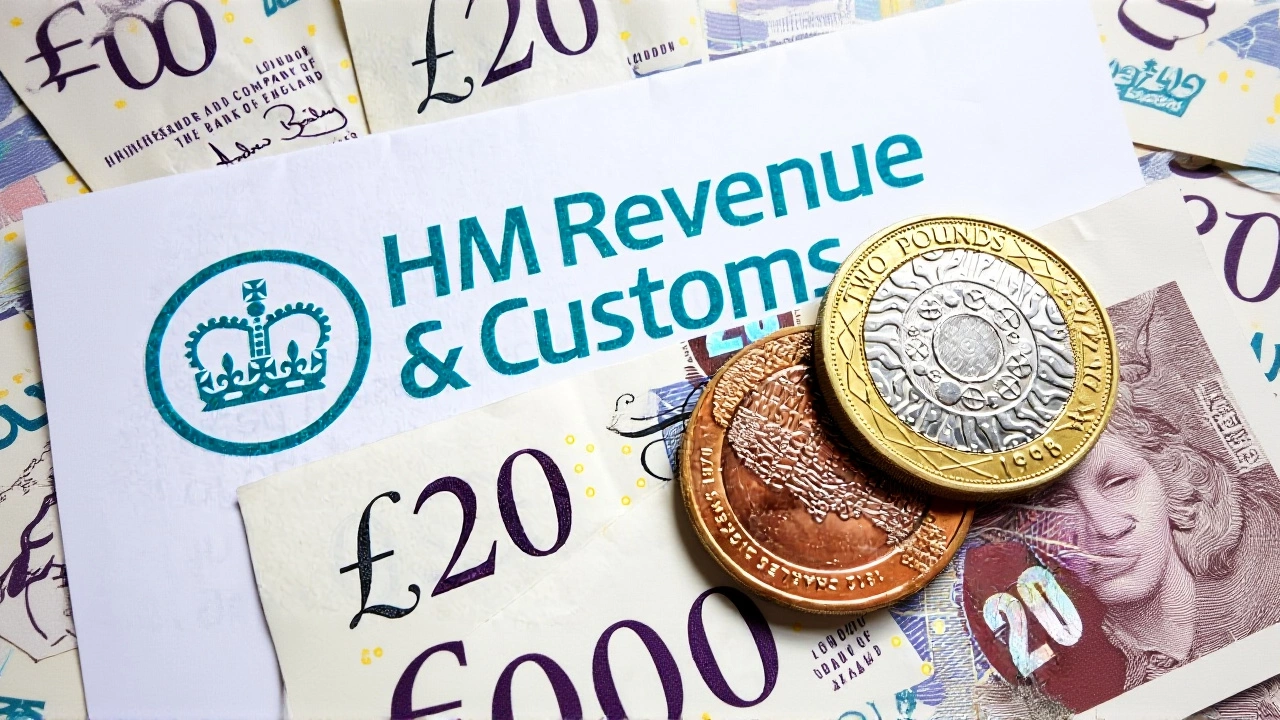
Thousands of Britons faced a financial cliffhanger on Saturday, 5 April 2025, when His Majesty’s Revenue and Customs (HMRC) accidentally shut down its online payment service for State Pension top-ups a day early. The glitch blocked access just as the clock ticked down on a rare, extended window to fill National Insurance gaps dating back nearly two decades.
The error meant that 21,000 users who had logged in expecting to make payments were suddenly locked out. For many, this wasn't just an inconvenience—it was a potential loss of hundreds of pounds in future annual income. Here's the thing: the government had promised a safety net, but the execution left thousands hanging in the balance until official apologies and remediation plans were confirmed by consumer advocates like MoneySavingExpert.com.
A Critical Deadline Missed
The deadline of 5 April 2025 was significant because it marked the end of transitional arrangements linked to the 2016 State Pension reforms. Normally, you can only go back six tax years to plug holes in your National Insurance record. But under these special rules, individuals could reach all the way back to the 2006/07 tax year. It was a once-in-a-generation opportunity to secure a fuller pension pot.
According to reports from AJ Bell, savers had been warned repeatedly that this was their last chance. The pressure was on. Yet, instead of a smooth final day, HMRC’s system went dark prematurely. Birmingham Live highlighted the frustration on social media, labeling the incident a clear "blunder" that denied thousands the ability to act on time.
What Went Wrong?
HMRC identified two distinct failures leading up to the deadline. First, there was a procedural issue affecting those who tried to pay between 13 March and 4 April 2025. These users encountered technical glitches and should have been granted a 31-day grace period to complete their transactions. Oddly enough, this administrative buffer wasn't applied correctly at the time, leaving many confused about their status.
The second, more dramatic failure occurred on Saturday itself. The online service specifically designed for paying contributions for tax years 2006/07 through 2020/21 was taken offline earlier than planned. This premature shutdown caught 21,000 logged-in users off guard. They had the intent, the funds, and the account access—but no button to click.
An unnamed HMRC spokesperson later apologized, stating: "We're sorry that customers were unable to use our online service on Saturday to top up National Insurance contributions for years prior to 2021. We will contact anyone affected directly about the payments they wanted to make to ensure they don't miss out." It’s a promise that needs to be kept, given the stakes involved.
The Financial Stakes
Why did people rush to meet this deadline? Because the math is compelling. In the 2024/25 tax year, buying a week of National Insurance entitlement costs £17.45. That adds up to roughly £900 for a full year of contributions. In return, you secure approximately £330 per year in additional State Pension income for life.
Turns out, that £330 isn't static. It’s protected by the "triple-lock" mechanism, meaning it rises annually by whichever is highest: average earnings growth, inflation, or 2.5%. Over a decade or two, that initial £900 investment can yield thousands in extra retirement income. Losing the chance to buy those older years means permanently reducing one's pension baseline.
Safety Nets and Call-Backs
There is some good news amidst the chaos. The separate call-back form managed by the Department for Work and Pensions (DWP) remained operational throughout the weekend. Anyone who submitted a request for a callback by the 5 April deadline is still eligible to use the transitional rules, even if the actual processing happens later.
The DWP stated it is prioritizing callbacks for those nearing State Pension age. This distinction matters because older claimants need certainty sooner. Meanwhile, HMRC has committed to reaching out directly to the 21,000 affected online users. The goal is to honor their intended payments retroactively, ensuring the technical error doesn't become a financial penalty.

What Happens Next?
After 5 April 2025, the exceptional window closes. From 6 April onward, the standard rule applies: you can only fill gaps from the previous six tax years. For most people, this means looking back no further than 2019/20. The ability to fix errors from 2006 is gone forever for those who didn't act—or couldn't act—by the deadline.
Experts advise checking your National Insurance record immediately if you haven't already. You can do this online via the government gateway or by calling the DWP. If you find gaps and aren't entitled to free credits, voluntary contributions are your best bet. Just remember: the easy, long-reach option is now closed. Future top-ups will be limited to recent years only.
Frequently Asked Questions
Did HMRC actually block my payment?
If you attempted to log in and pay for National Insurance gaps between 2006/07 and 2020/21 on Saturday, 5 April 2025, and found the service unavailable, yes. HMRC confirmed the system was taken offline a day early, affecting 21,000 users. However, they have pledged to contact affected individuals directly to process these payments manually.
Can I still fill National Insurance gaps from 2006?
Generally, no. The transitional rules allowing you to reach back to 2006 ended on 5 April 2025. After this date, you can only fill gaps from the previous six tax years (currently back to 2019/20). The only exception is if you successfully submitted a DWP call-back request before the deadline or were part of the HMRC-affected group being contacted directly.
How much does it cost to boost my State Pension?
In the 2024/25 tax year, it costs £17.45 to buy one week of National Insurance entitlement. A full year costs approximately £900. This investment secures around £330 per year in additional State Pension income, which is protected by the triple-lock guarantee and increases annually with inflation, earnings, or 2.5%, whichever is higher.
What is the difference between HMRC and DWP roles here?
HMRC manages the online payment systems for voluntary National Insurance contributions. The Department for Work and Pensions (DWP) administers the State Pension entitlement and handles the telephone call-back requests. While HMRC's online portal failed, the DWP's call-back form remained live, offering an alternative route for those who acted quickly.
Will I lose money if I missed the deadline?
If you were affected by the HMRC glitch, you should not lose out; HMRC has promised direct contact to facilitate your payment. However, if you simply missed the deadline without technical issues, you can no longer buy back years prior to 2019/20. This means any gaps from 2006 to 2019 remain unfilled, potentially lowering your total State Pension amount.





Post A Comment